Hygienic hydrophobic surfaces
Placeholder product image on Made Possible With Dyneema / Hydrophobic

How non-absorbing surfaces make contamination easier to see, remove and inspect.
Image product image on Made Possible With Dyneema / Hydrophobic

Surface only

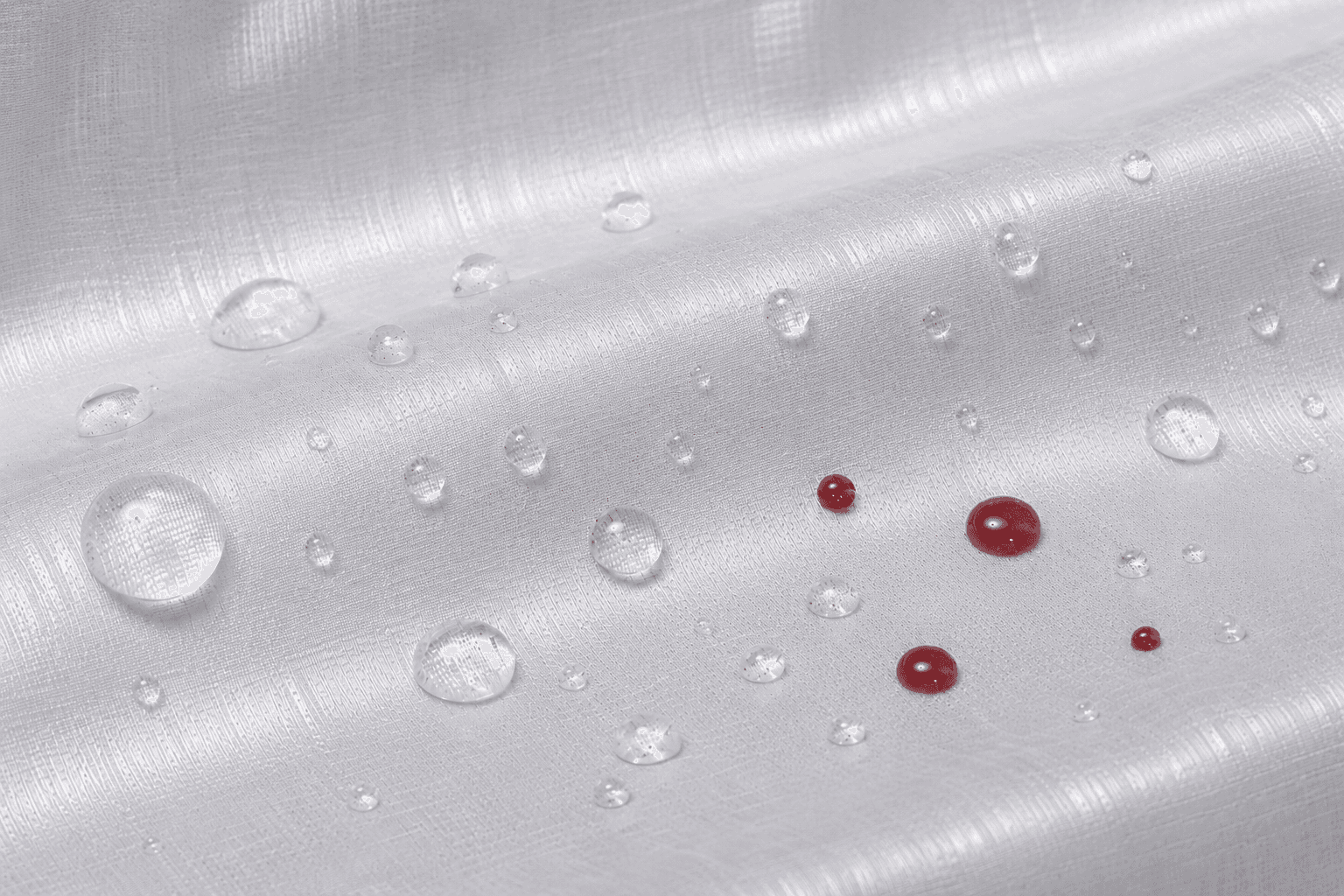
A hydrophobic surface changes where water and common bodily fluids go. Instead of being pulled into an absorbent textile structure, liquid remains on the surface, where contamination is easier to see, remove and inspect.

Below 0.8%

Moisture absorption below 0.8% after 24 hours of water immersion helps explain why the material does not behave like a sponge. Less retained moisture means fewer hidden wet zones inside the material structure after exposure.
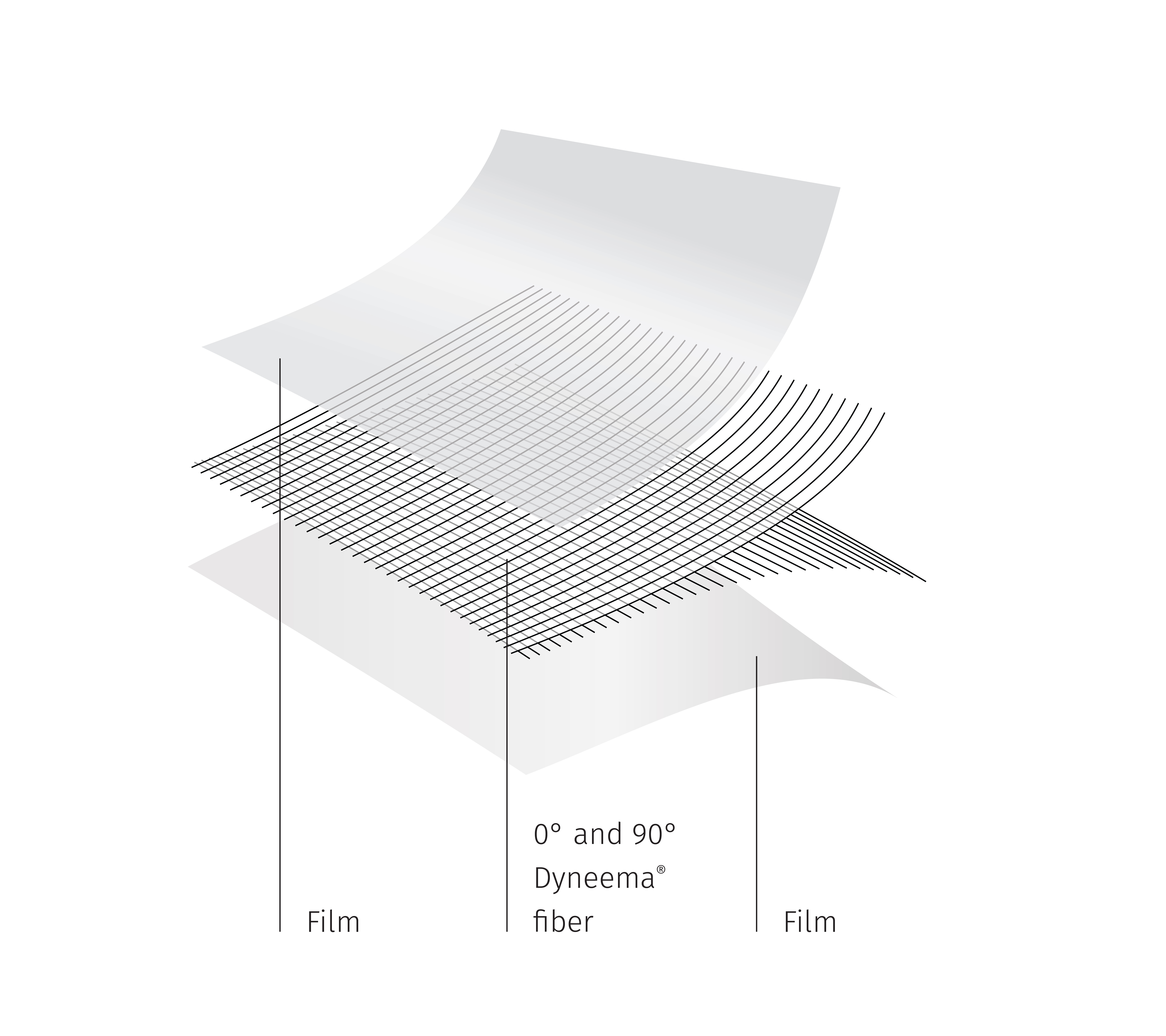
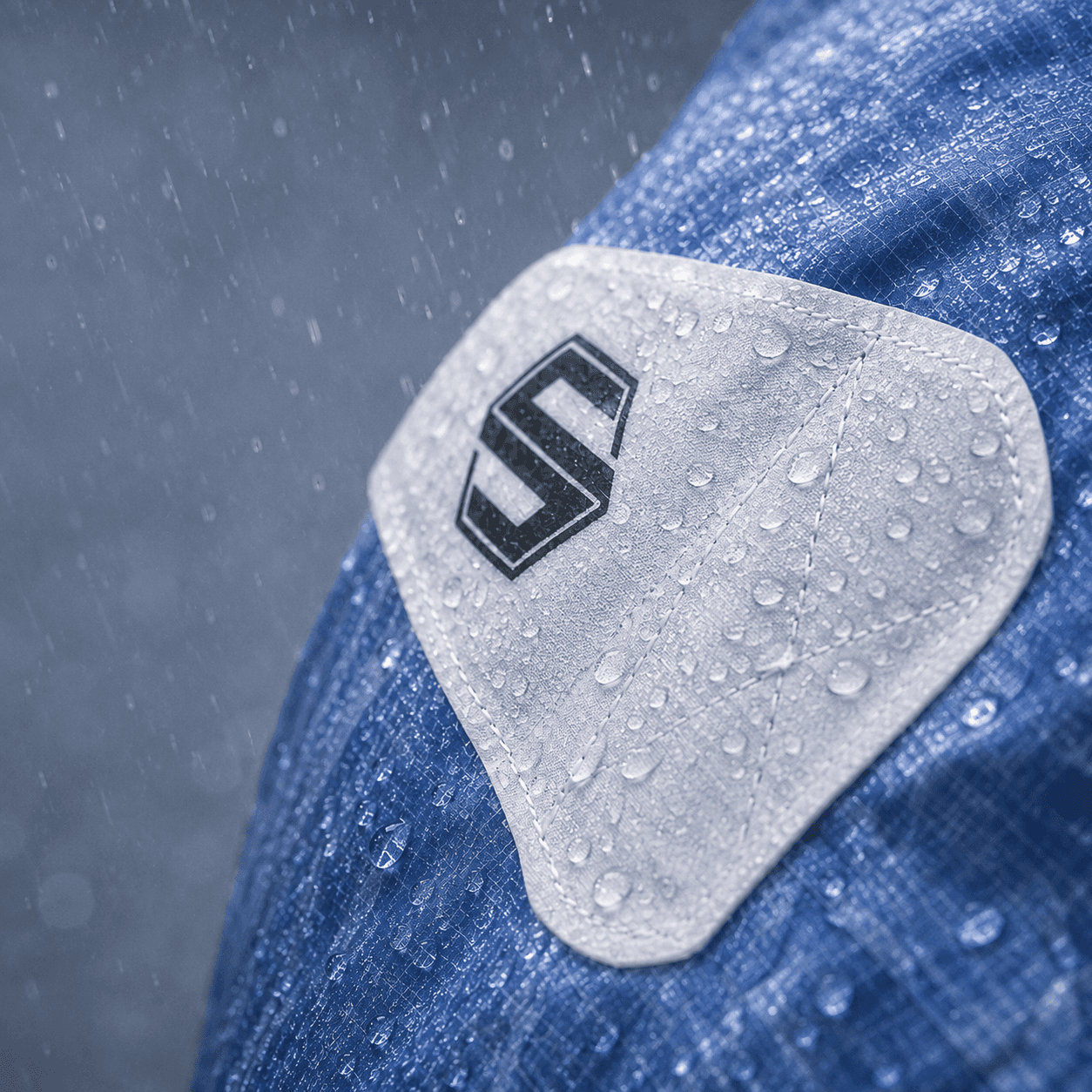
Image product image on Made Possible With Dyneema / Hydrophobic

Clean by design

Dyneema® Composite Fabrics do not behave like absorbent textiles. Water, dirt and common bodily fluids remain on the surface, where they can be seen, removed and inspected. This supports protected handling, faster cleaning and controlled reuse.

Non-absorbing

Water, blood, urine and sweat remain on the surface instead of being absorbed into the textile structure. This makes contamination visible, removable and easier to inspect.

Shake-dry

Dirt-resistant

Less retained residue

Dyneema have no waterlogging

Visible. Removable. Reusable.

Rain repells on PET film

Surface inspection

Surface inspection

Surface inspection

For UR® systems, the field value is practical: contamination stays closer to the surface, cleaning becomes easier to verify, and materials can be inspected without hidden moisture inside the textile structure.

For UR® systems, the field value is practical: contamination stays closer to the surface, cleaning becomes easier to verify, and materials can be inspected without hidden moisture inside the textile structure.