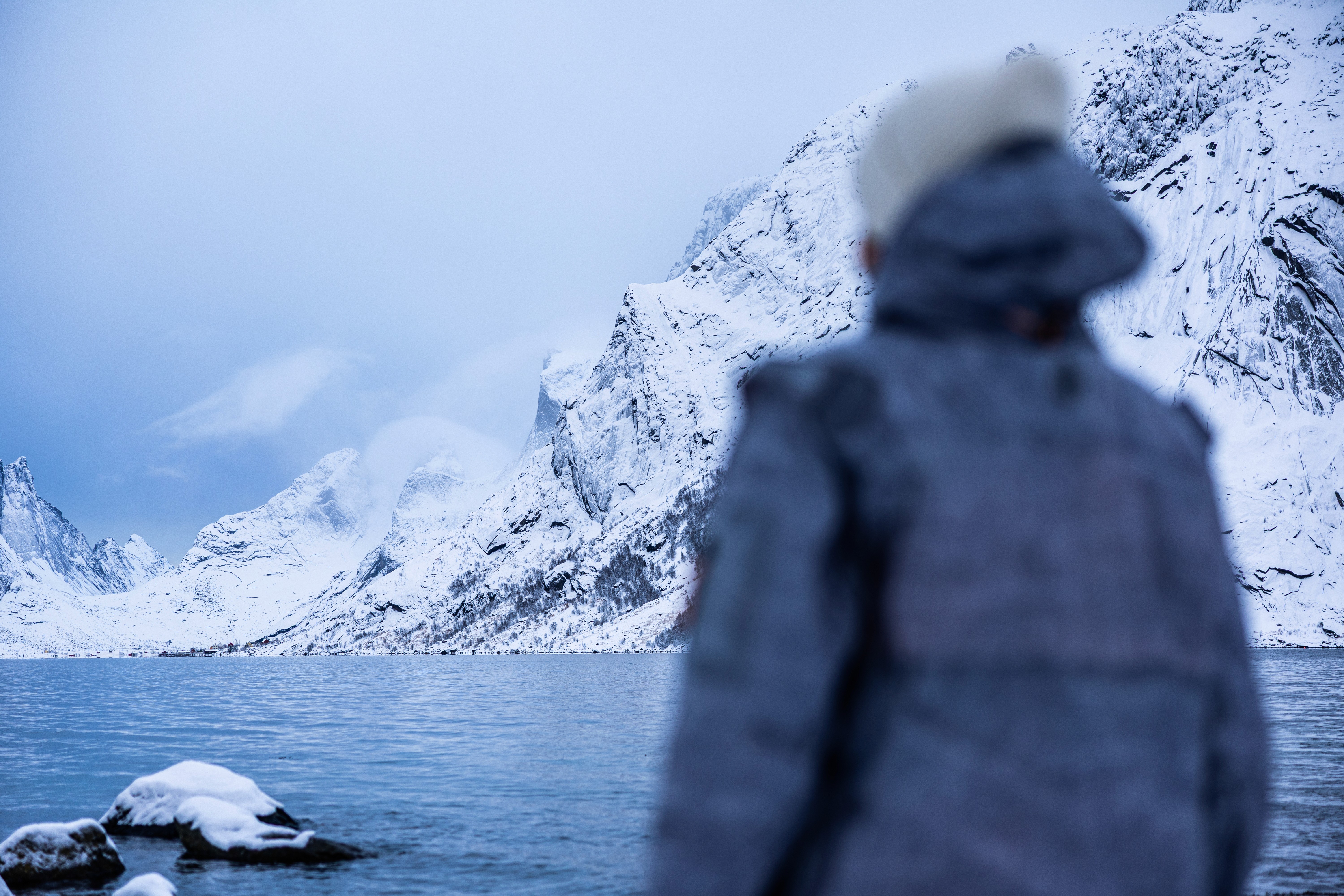
When conditions change
Carry less. Adapt faster. Stay protected when situations change.
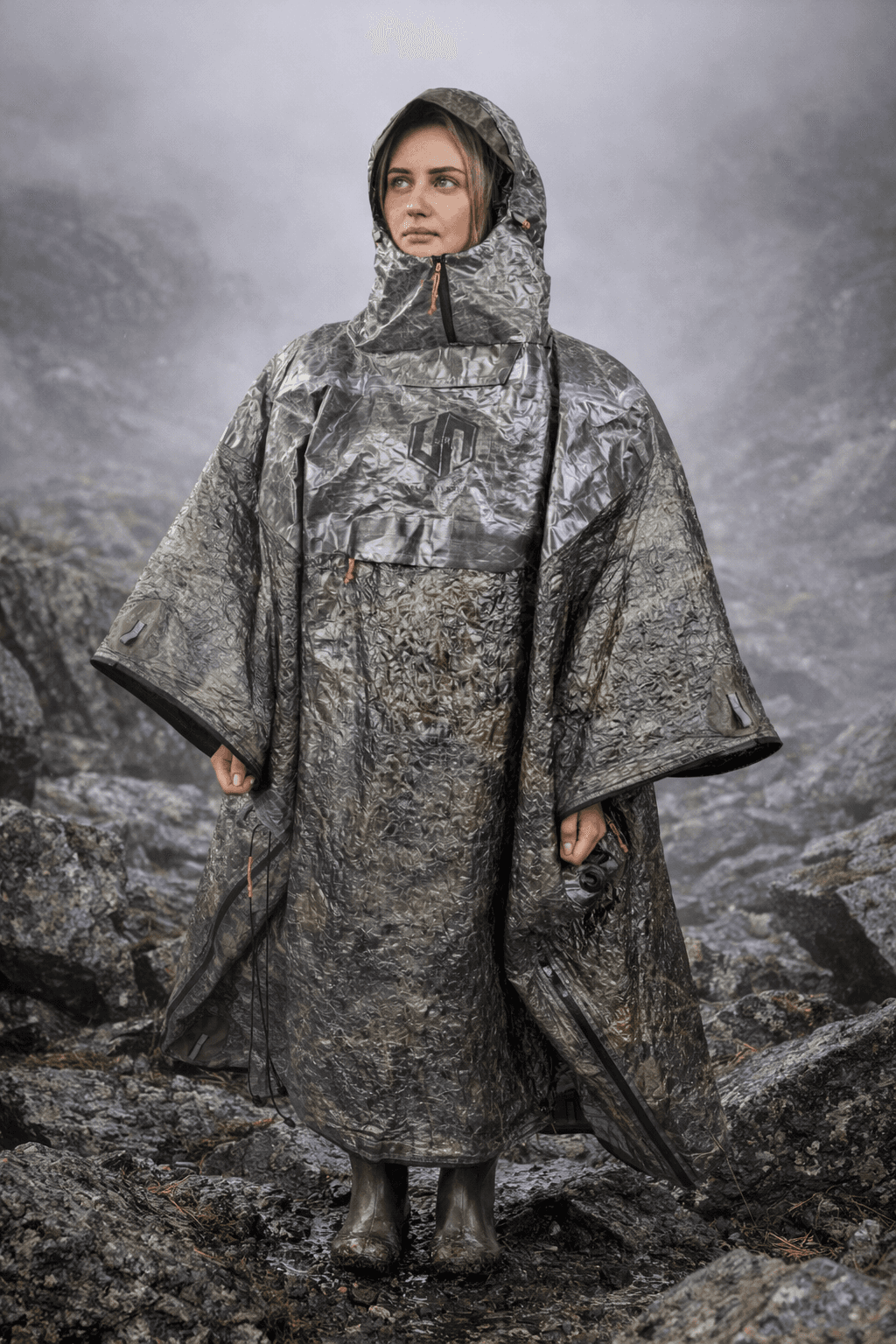
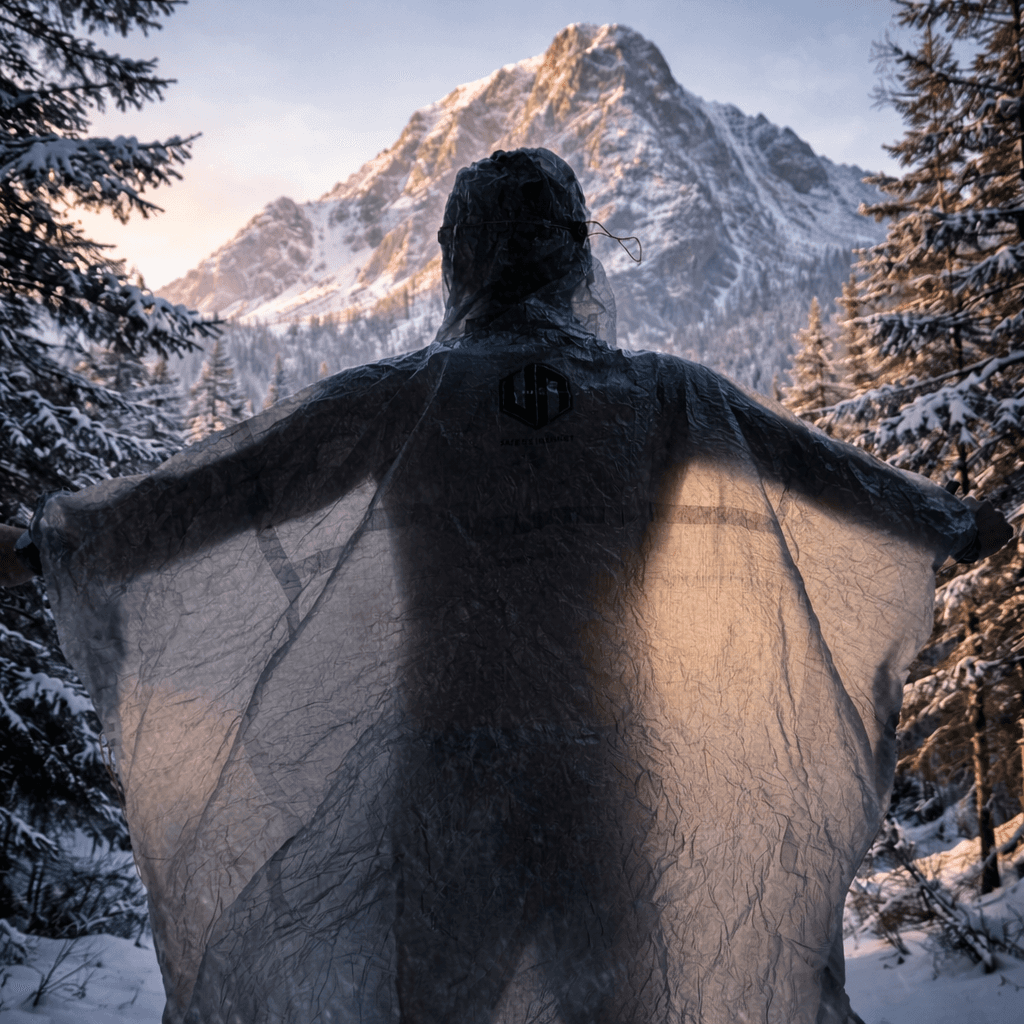
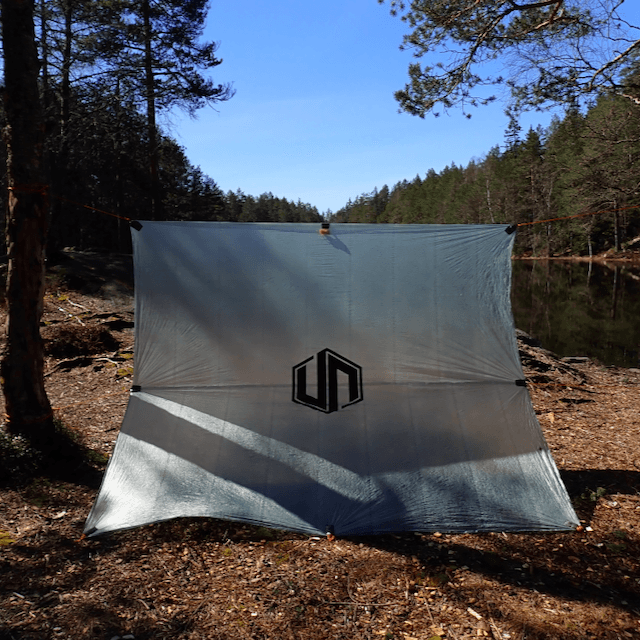
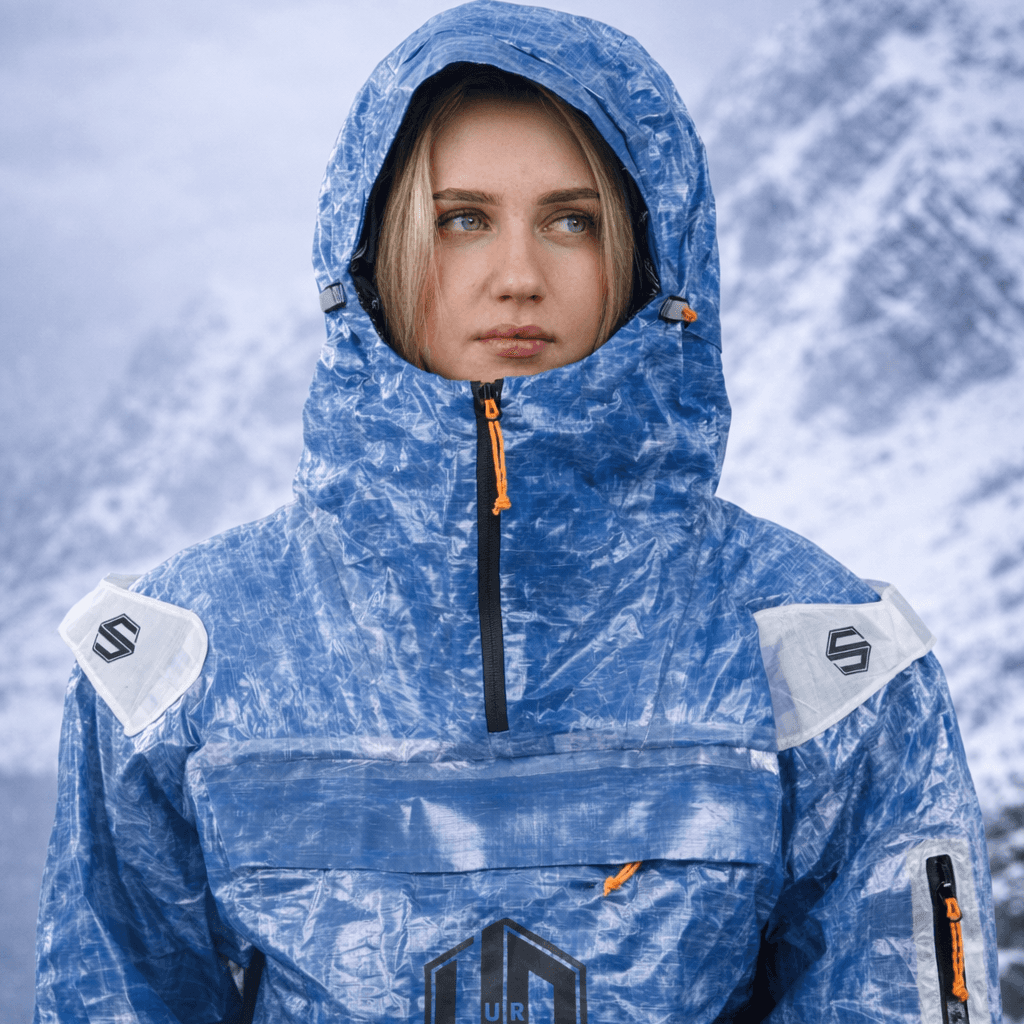
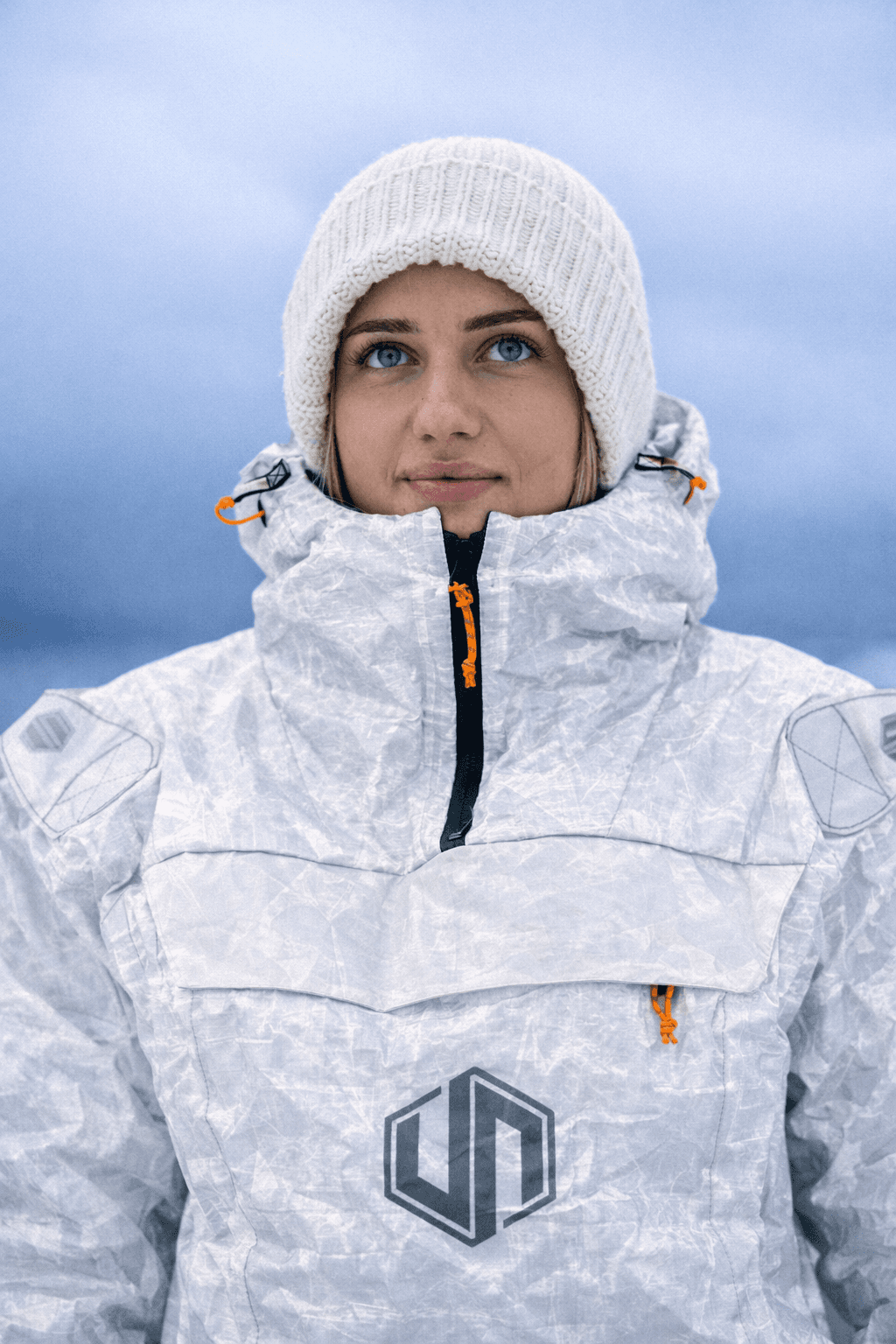
Why ShelterWear
Built to reduce complexity, weight and exposure in the field.
One carry. Multiple modes.
When situations change. Adapt.
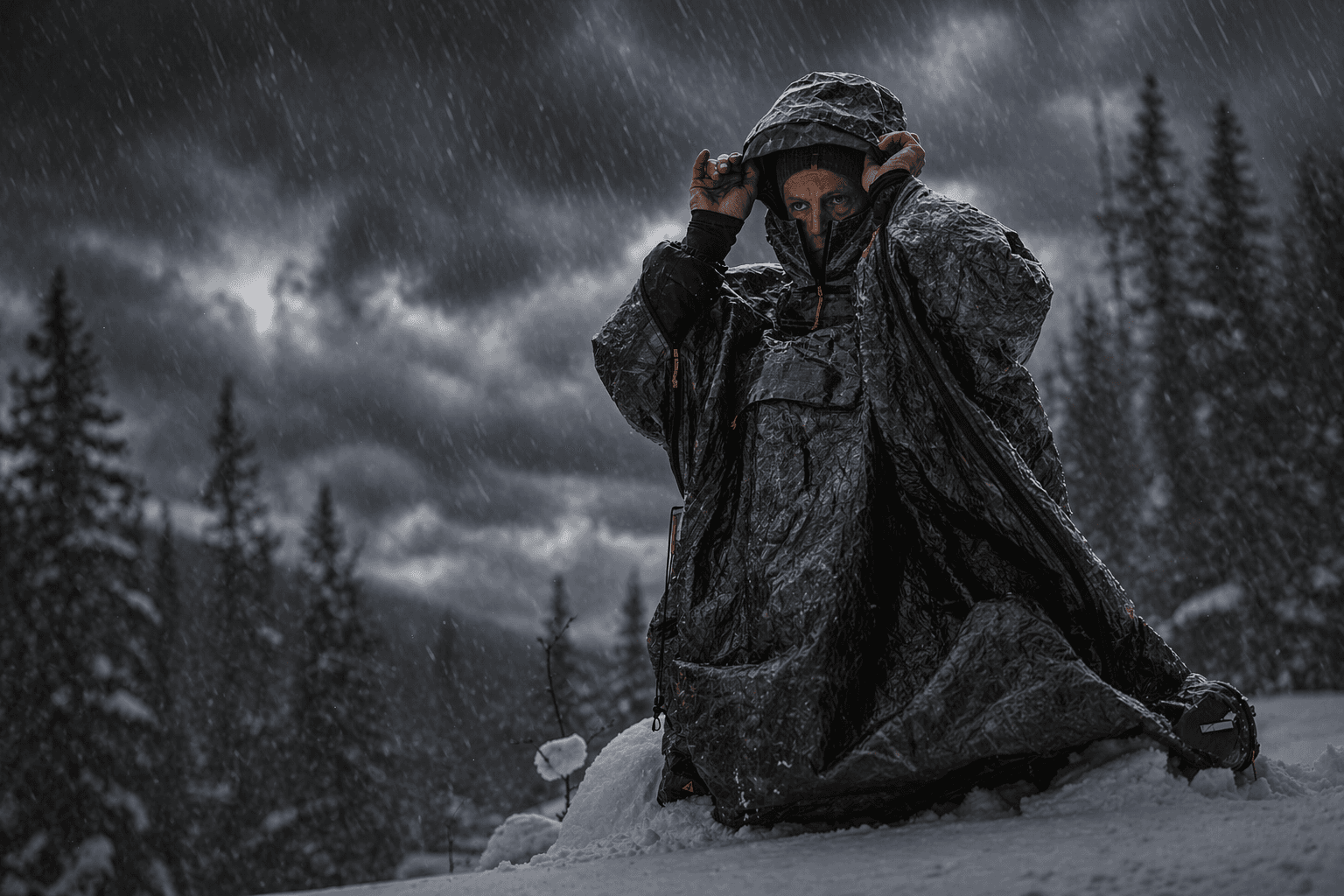
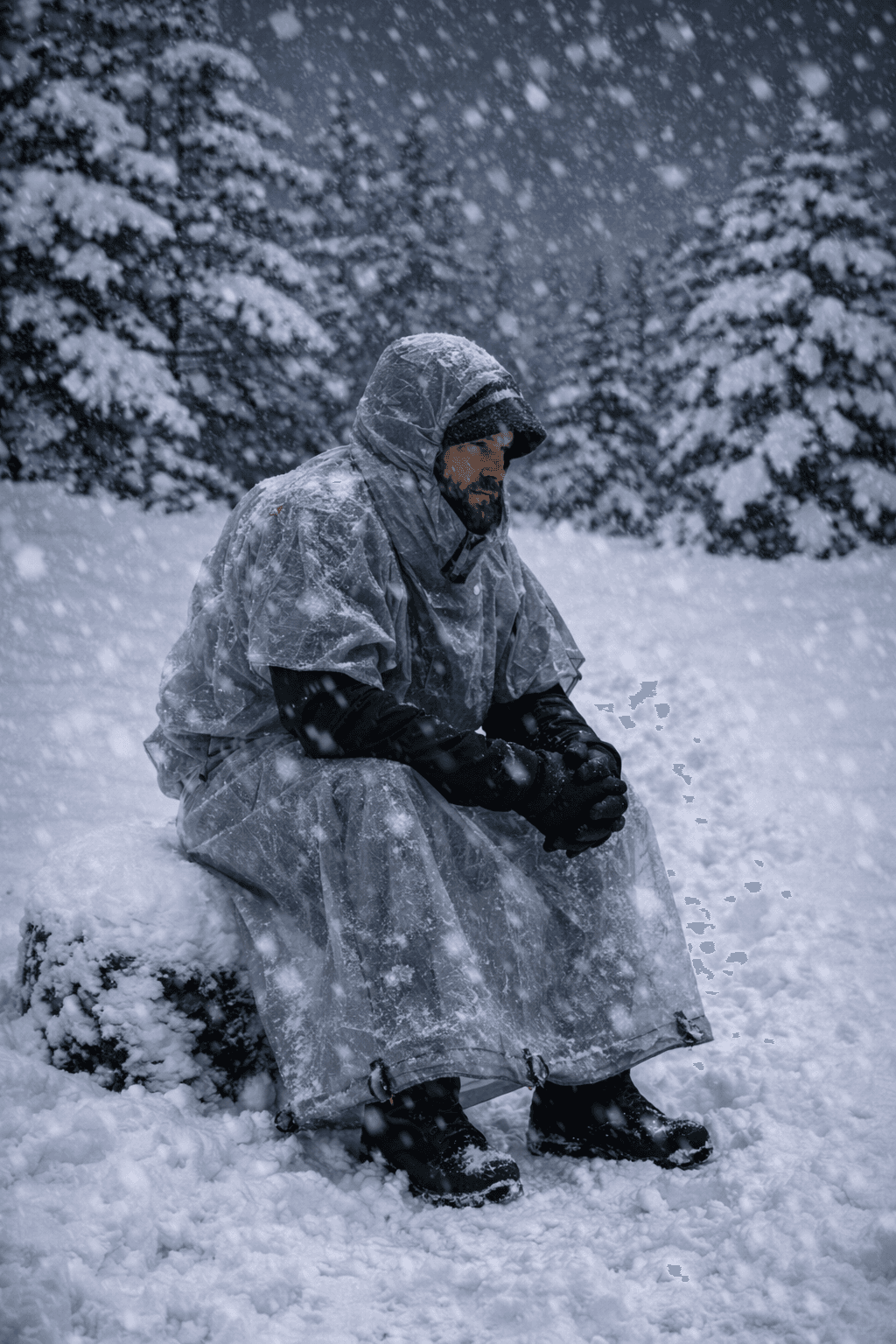
Weather shifts
When conditions change fast, protection is needed immediately — without stopping to set up or reorganize.
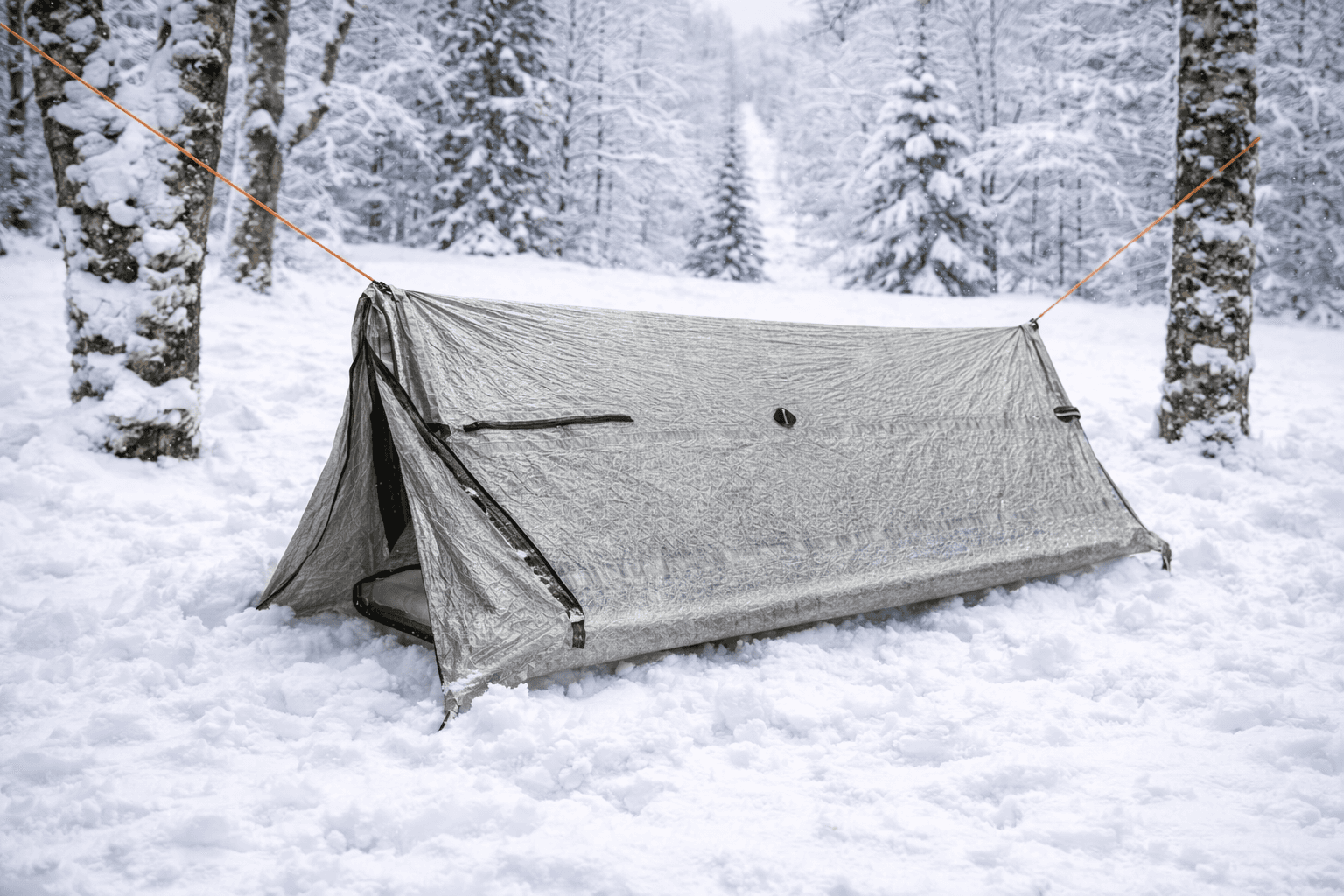
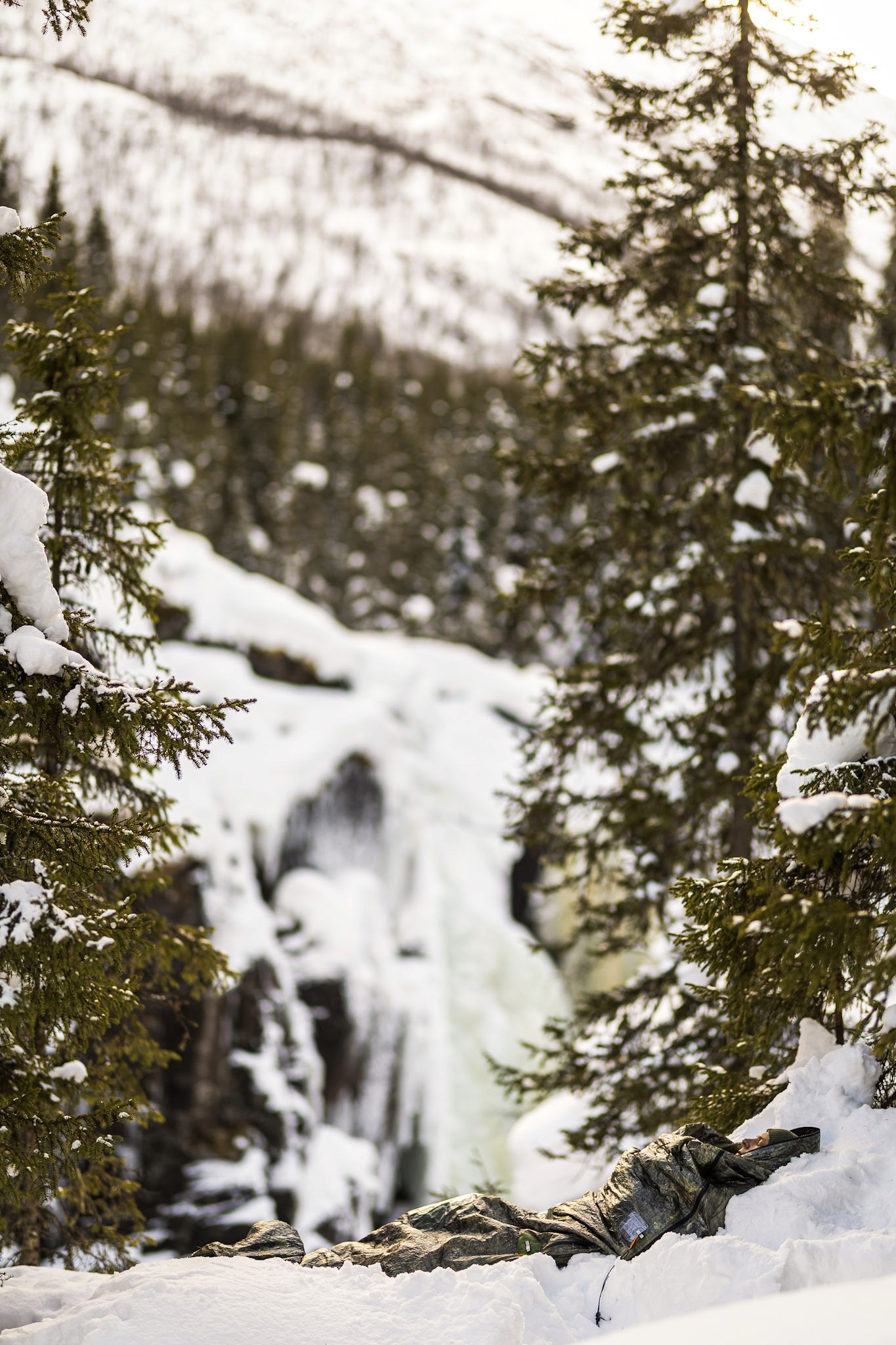
Rest or sleep
Extended exposure requires more than clothing. Reduce heat loss and create a protected space for recovery.
Injury or extraction
Pause or post
Short stops quickly lead to heat loss. Maintain protection while pausing, observing, or operating without losing readiness.
What you need to know?
Can one piece of gear replace multiple items?
In many cases, yes – but like all multi-use systems, it’s a compromise. Trygg ShelterWear is designed to reduce both weight and volume by replacing several pieces of gear with a single, modular solution. Depending on the purpose of your trip, the weather conditions, and your level of training, it can remove the need for a jacket, poncho, tarp, or even a bivy bag. It won’t be as warm or comfortable as a 3-season sleeping bag. It won’t be larger than a dedicated tarp. But if mobility, simplicity, and protection are your priorities – and if you know how to use it – it can significantly streamline your loadout. Like most things in the wild, it comes down to judgment. ShelterWear gives you one system with many functions. The rest is up to how and where you use it.
Is Dyneema® quiet enough for close-range hunting?
It depends on the hunt. Trygg ShelterWear is currently being tested in hunting scenarios, but based on the properties of Dyneema® – an ultra-rigid and highly waterproof fabric – we expect that bow hunters, deer stalkers, and others who move silently at close range may find it too noisy. The structure of the material can produce sound during movement, especially in dry conditions. For static hunting, driven hunts, or longer-range shots, this is rarely a problem. But if silence is mission-critical, a softer, heavier, and less waterproof fabric might be a better fit.
How do I use it to its full potential?
Like any versatile gear, ShelterWear works best when you know how to use it. That’s why we say: tools without skills are just toys. You can take it straight into the wild, but to unlock its full potential, we recommend practicing shelter setup, anchoring, and movement under load. The transitions are fast once learned, but training makes a real difference when conditions turn. Each ShelterWear includes a digital twin and RFID tag, giving you access to setup guides, repair tips, and our AI field assistant — who learns from how you use your gear. And if it’s not for you, just return it within 100 days.
“Waterproof.” What does that even mean?
In technical terms, a material is considered waterproof when it can resist water penetration under pressure, typically measured in millimeters of water column. The higher the number, the more pressure it can withstand before water seeps through. For example, a rating of 10,000 mm means the fabric can hold back a 10-meter column of water before leaking — in theory. But performance in the lab doesn’t always translate to the wild.
Does Dyneema® breathe?
In real conditions, breathability breaks down, especially when humidity rises and coatings wear off. That’s why we chose a different path: truly waterproof materials with no membranes, no coatings, and no false promises. You stay dry because your gear is dry. Not because it tries to do the impossible.
If the fabric doesn’t breathe, won’t I get wet?
Some moisture buildup is inevitable during activity — especially in humid or wet conditions, where no garment truly breathes as advertised. Most so-called “breathable” membranes only work when the outside air is dry and cool. Once it rains or the fabric wets out, they lose that ability, and moisture condenses inside — right where you don’t want it. So, in the real world, you have to choose: either let moisture out, or keep rain from getting in. We take a different approach. Rather than chasing the breathability myth, we focus on designing around moisture. Our gear is cut for ventilation and airflow. And when insulation is needed, we use Primaloft® Gold Insulation PURE™, which absorbs moisture away from the skin, stays warm even when damp, and dries quickly.