Lasting waterproof protection
Placeholder product image on Made Possible With Dyneema / Waterproof

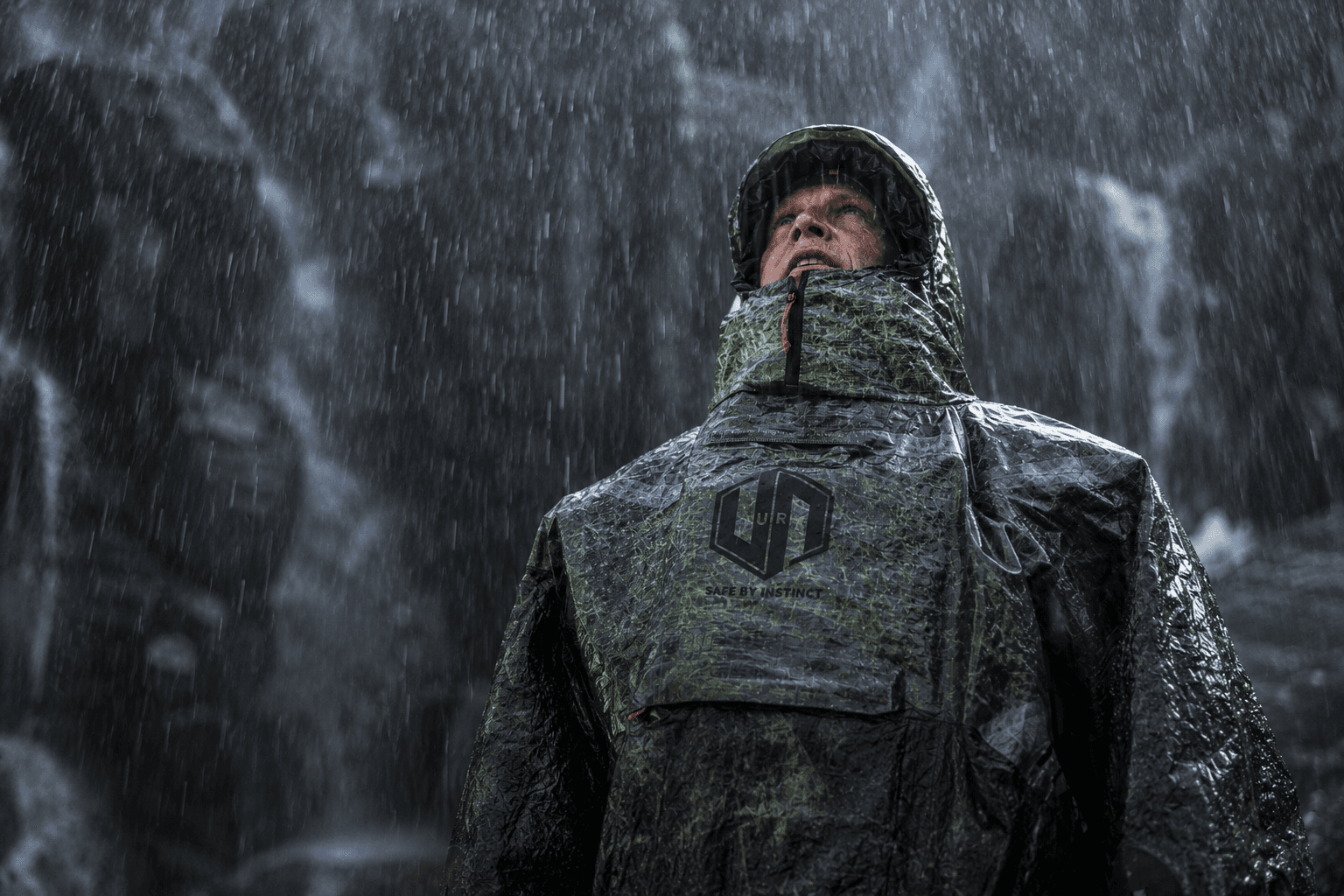
A non-porous composite barrier that keeps water out without depending on DWR surface treatment.
Image product image on Made Possible With Dyneema / Waterproof

Intrinsic waterproofing

Waterproof performance comes from the non-porous composite barrier itself. Traditional textiles often rely on coatings or DWR surface treatments to shed water; selected Dyneema® composite constructions use film layers that block water as part of the material structure.

>20,000 mmH₂O

A hydrostatic head above 20,000 mmH₂O indicates a true waterproof barrier, not only surface water repellency. The number helps show that water resistance is created by the composite film structure rather than a treatment that must be refreshed.
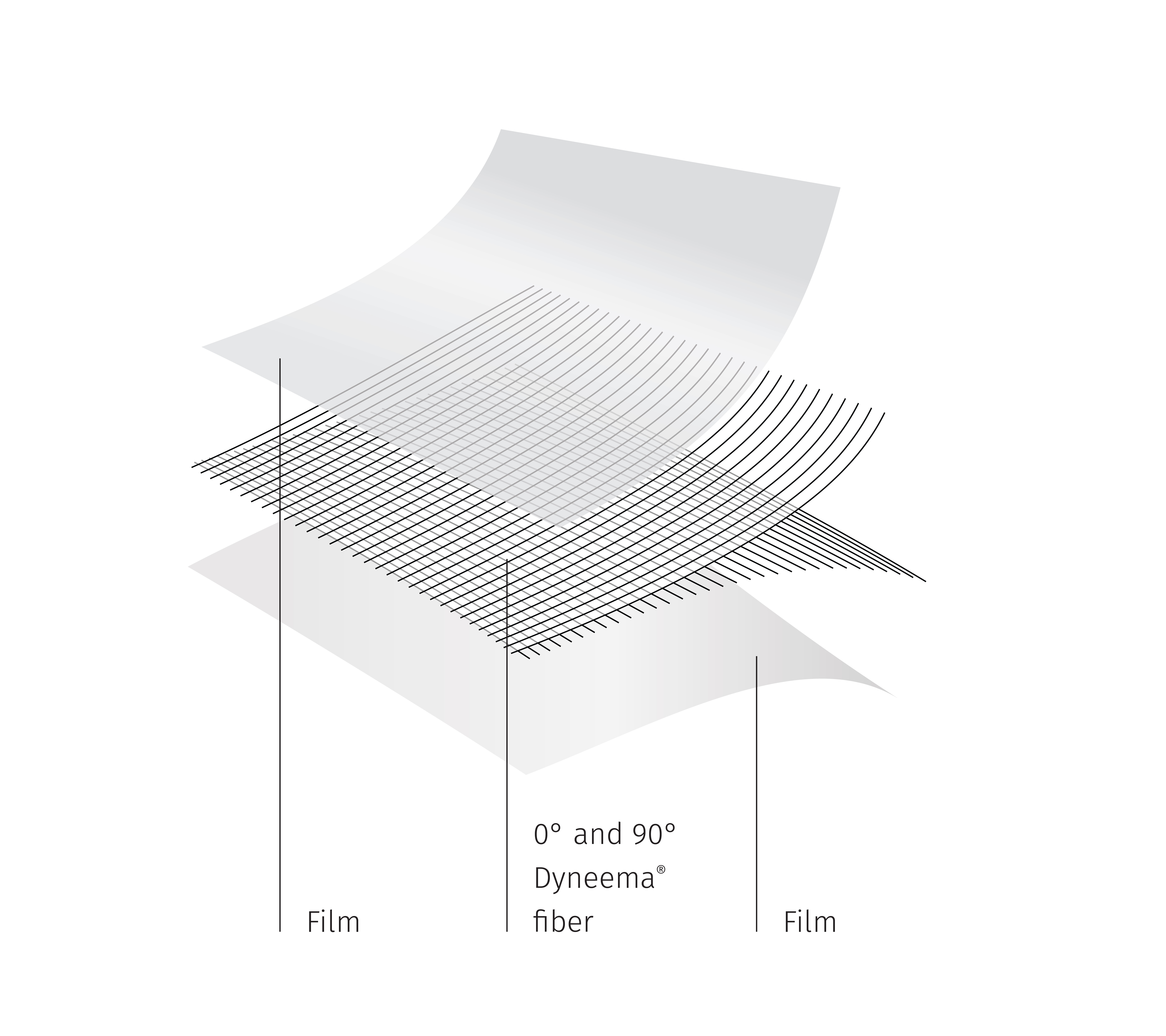
Image product image on Made Possible With Dyneema / Waterproof

Waterproof by structure

Waterproof performance is not only about whether water beads on the surface. Selected Dyneema® Composite Fabrics use a non-porous composite barrier that does not take up water, helping the material behave consistently when exposed to moisture and cold.

Non-porous barrier

The waterproof layer is part of the composite structure itself. Because the non-porous film structure does not take up water like an absorbent textile, the material does not become waterlogged when exposed to moisture.

Not DWR-dependent

>20,000 mmH₂O

Stable when wet

Waterproof composite barrier detail

Does not become waterlogged.

Rain repells on PET film

Barrier first

Barrier first

Barrier first

For UR® systems, this material logic means waterproof protection can stay stable through wet handling and field use without relying on outer-face water repellency alone.

For UR® systems, this material logic means waterproof protection can stay stable through wet handling and field use without relying on outer-face water repellency alone.